
Commissioning is often associated with the final stages of construction, when systems are tested and verified before turnover. However, some of the greatest value of commissioning is realized much earlier in the project lifecycle. When commissioning begins during design, it consistently saves more money than it costs by preventing issues before they become expensive problems.

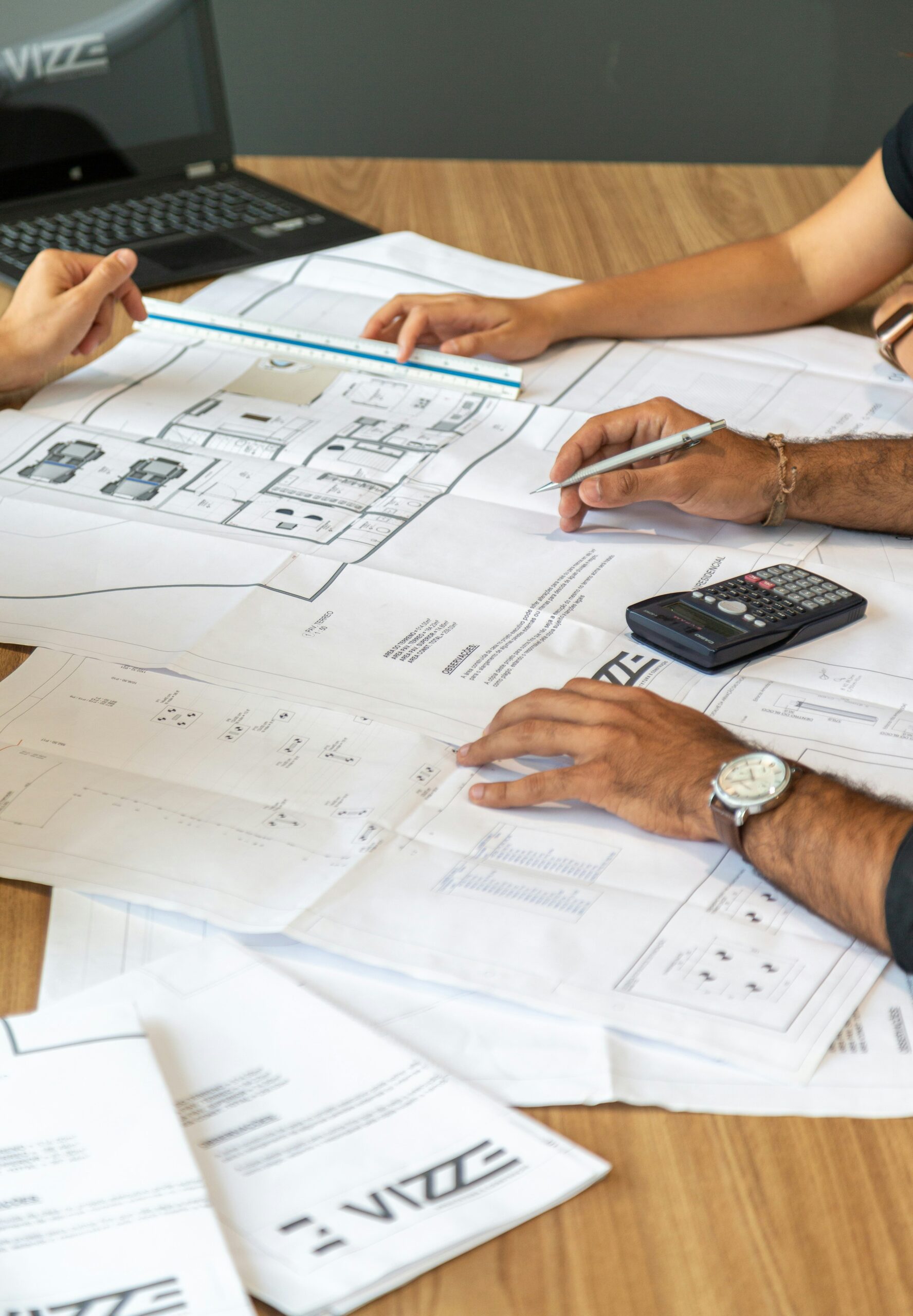
The earlier a problem is identified, the less it costs to correct. During design-phase commissioning, drawings and specifications are reviewed with system performance and long-term operation in mind. This process frequently uncovers incomplete operational sequences, conflicting control strategies, improperly sized equipment, and coordination gaps between disciplines. Addressing these issues at the design stage is far more cost-effective than revising installed systems, issuing change orders, or reprogramming controls late in construction when schedules are tight and fixes are disruptive.

Early commissioning also improves alignment across the project team. Engineers, architects, owners, and operators gain a shared understanding of how systems are intended to function, not just how they are drawn. Clearer sequences of operation and performance expectations reduce assumptions, minimize misinterpretations, and lead to cleaner construction documents. This clarity results in fewer RFIs, smoother coordination, and a more efficient construction process overall.

Without early commissioning involvement, many projects encounter avoidable challenges during construction and startup. Systems may technically comply with the drawings yet struggle to operate cohesively once integrated. These issues often surface late in the schedule, when time is limited, and troubleshooting can cause delays, retesting, and costly rework. Early commissioning helps identify constructability concerns and system integration risks before installation begins, allowing teams to resolve them proactively rather than reactively.

Decisions made during design have a lasting impact on how a building performs throughout its life. Control strategies, zoning approaches, sensor placement, and system redundancy all influence energy efficiency, occupant comfort, and maintenance requirements. When commissioning professionals are involved early, they can help guide design decisions that balance first cost with long-term operational value. This perspective often results in lower energy use, fewer comfort complaints, and reduced maintenance burden once the building is occupied.

The cost of early commissioning is typically a small fraction of the overall project budget, yet the return on that investment compounds over time. Avoided change orders, reduced delays, smoother turnover, and improved operational performance all contribute to measurable savings. Rather than viewing early commissioning as an added expense, it should be understood as a form of risk management and quality assurance that protects the owner’s investment.

When commissioning starts early, it does more than pay for itself. It sets the foundation for a building that performs as intended from day one and continues to deliver value long after construction is complete.
Let us help you integrate, conserve, and optimize your resources.

Address

77 Summer Street, 10th Floor,
Boston, MA 02110
United States
(888) 238-2643

Privacy Policy
Stay Connected

Why early commissioning saves more than it costs

Commissioning is often associated with the final stages of construction, when systems are tested and verified before turnover. However, some of the greatest value of commissioning is realized much earlier in the project lifecycle. When commissioning begins during design, it consistently saves more money than it costs by preventing issues before they become expensive problems.

The earlier a problem is identified, the less it costs to correct. During design-phase commissioning, drawings and specifications are reviewed with system performance and long-term operation in mind. This process frequently uncovers incomplete operational sequences, conflicting control strategies, improperly sized equipment, and coordination gaps between disciplines. Addressing these issues at the design stage is far more cost-effective than revising installed systems, issuing change orders, or reprogramming controls late in construction when schedules are tight and fixes are disruptive.

Early commissioning also improves alignment across the project team. Engineers, architects, owners, and operators gain a shared understanding of how systems are intended to function, not just how they are drawn. Clearer sequences of operation and performance expectations reduce assumptions, minimize misinterpretations, and lead to cleaner construction documents. This clarity results in fewer RFIs, smoother coordination, and a more efficient construction process overall.

Without early commissioning involvement, many projects encounter avoidable challenges during construction and startup. Systems may technically comply with the drawings yet struggle to operate cohesively once integrated. These issues often surface late in the schedule, when time is limited, and troubleshooting can cause delays, retesting, and costly rework. Early commissioning helps identify constructability concerns and system integration risks before installation begins, allowing teams to resolve them proactively rather than reactively.

Decisions made during design have a lasting impact on how a building performs throughout its life. Control strategies, zoning approaches, sensor placement, and system redundancy all influence energy efficiency, occupant comfort, and maintenance requirements. When commissioning professionals are involved early, they can help guide design decisions that balance first cost with long-term operational value. This perspective often results in lower energy use, fewer comfort complaints, and reduced maintenance burden once the building is occupied.

The cost of early commissioning is typically a small fraction of the overall project budget, yet the return on that investment compounds over time. Avoided change orders, reduced delays, smoother turnover, and improved operational performance all contribute to measurable savings. Rather than viewing early commissioning as an added expense, it should be understood as a form of risk management and quality assurance that protects the owner’s investment.

When commissioning starts early, it does more than pay for itself. It sets the foundation for a building that performs as intended from day one and continues to deliver value long after construction is complete.